Maal

Case study

Omari

A Melbourne musician
Client
Omari
Change
A first single out, and the campaign steered by what worked at sixty days
We did
Intelligence
Expression
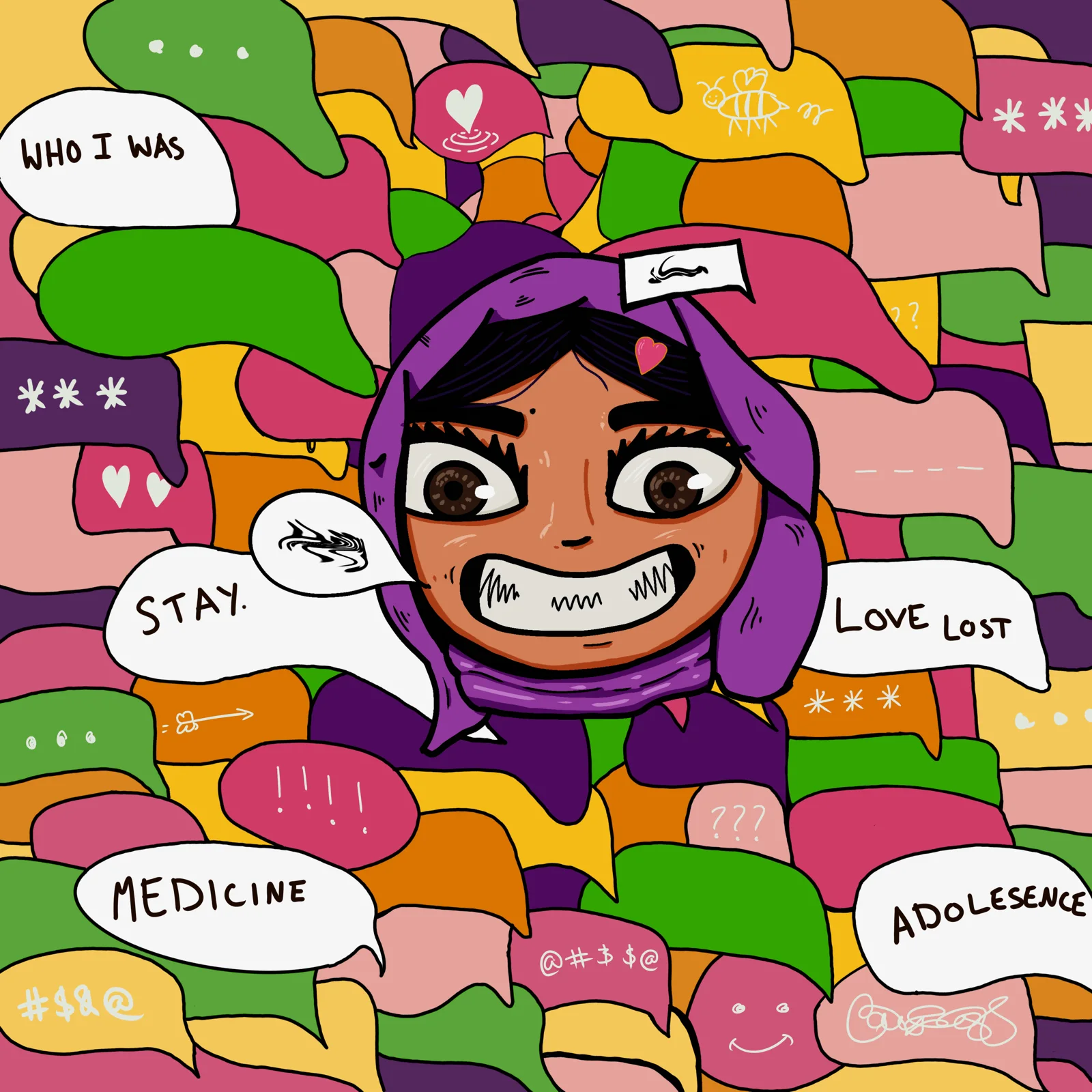
Omari: the cover art for the single Who I Was.
The first single, Who I Was, out at the start of May 2026.

01The ask

Omari had an audience built on covers, and a five-track EP of her own songs to release.

She is a Melbourne musician, and her listeners are mostly women between twenty and thirty, on YouTube and Instagram. The EP, Adolescence, was to come out one single at a time, starting with Who I Was in May 2026.

The ask

Omari had an audience built on covers, and a five-track EP of her own songs to release.

Omari is a Melbourne musician with an audience built on covers, and a catalogue of her own songs behind them.

The plan was a five-track EP, Adolescence, released single by single, starting with Who I Was in May 2026. The EP is one story released in sequence, and that arc is what turns a follower into a fan.

She sings straight to camera, with little production, as if talking to a friend. The covers bring strangers in, and her own songs are what they are meant to find.

The journey

The problem

“I have never heard of her.”

The first encounter is a few seconds of audio, heard by a stranger.

Where the effort goes

Scrolling

Most of the effort

Be the three seconds that stop the scroll

A reel, a post, and stories: from about 500 to more than 20,000 profile views in week one.

Looking up a song

Some of the effort

Be the original standing behind the cover

Two cross-posts to YouTube, 1,600 views, and about 20 subscribers.

Word of mouth

A little of the effort

Be on somebody else’s list

Eight submissions, including Triple J Unearthed and PBS FM.

Word of mouth

Declined

Not a launch week

The numbers were read at sixty days instead.

02What we did

We launched the first single, then read the numbers at sixty days instead of at the end of launch week.

Who I Was went out with an announcement reel, a background post, and stories, and to eight places including Triple J Unearthed and PBS FM. At sixty days, paid reach had converted at 0.3 per cent and her best unscripted post at 1.9 per cent, so the spend came off.
What we did

We launched the first single, then read the numbers at sixty days instead of at the end of launch week.

Who I Was went out with an announcement reel, a background post, and stories. We submitted it to eight places, including Triple J Unearthed and PBS FM.

In the first week, profile views went from about 500 to more than 20,000, at thirteen cents a click. The account gained forty followers.

Between 21 April and 19 June, followers went from 156 to 256. Paid reach converted at 0.3 per cent, and the best unscripted post at 1.9 per cent.

So the spend came off, and the format that worked now leads: Omari talking straight to camera. Love Lost, her own song, was sung that way in one take.

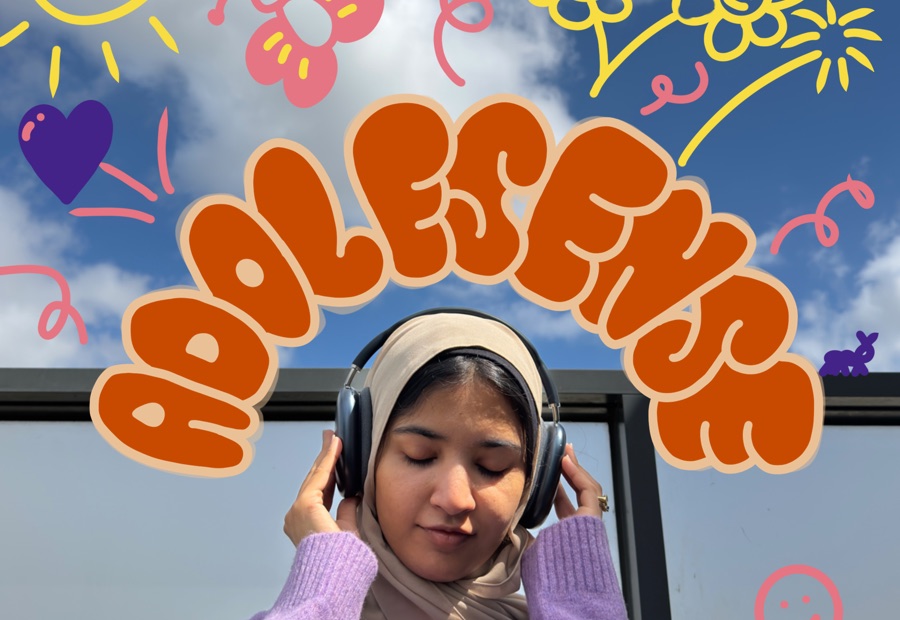
The Adolescence artwork: hand-drawn orange lettering over a photograph of Omari in headphones.
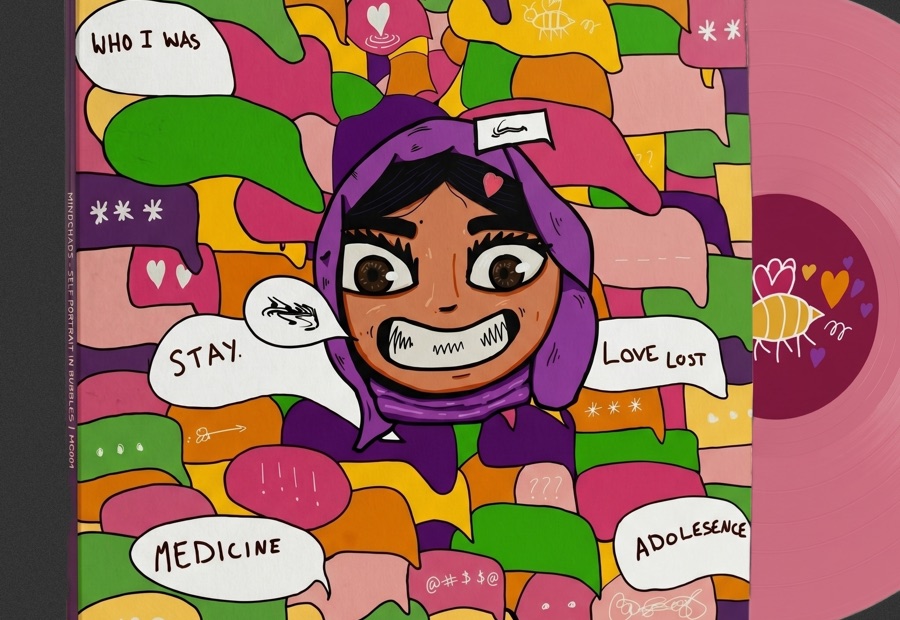
The Who I Was cover beside a pink record.

The Adolescence artwork, and the Who I Was cover beside a pink record.

Love Lost, her own song, sung in one take beside the train line.
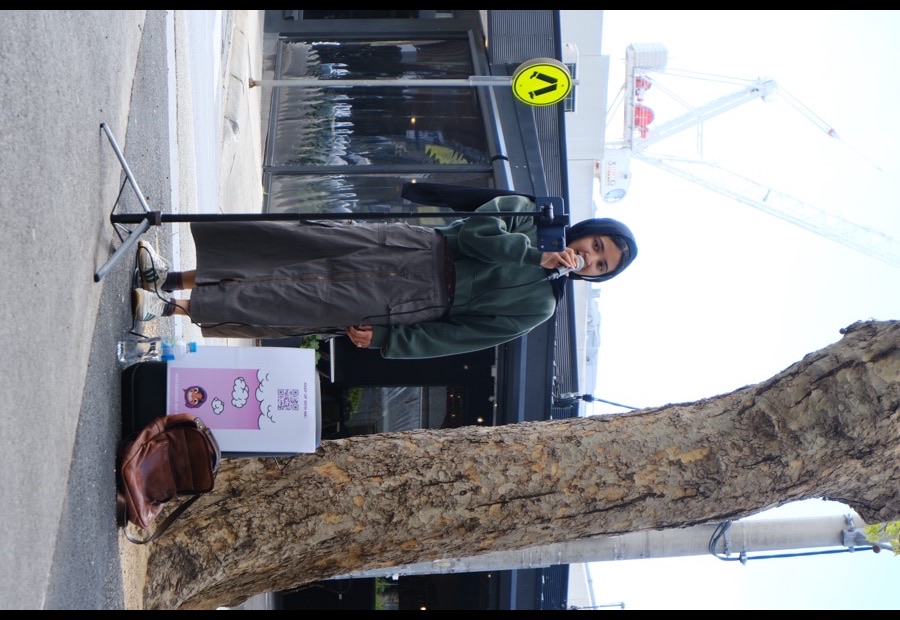
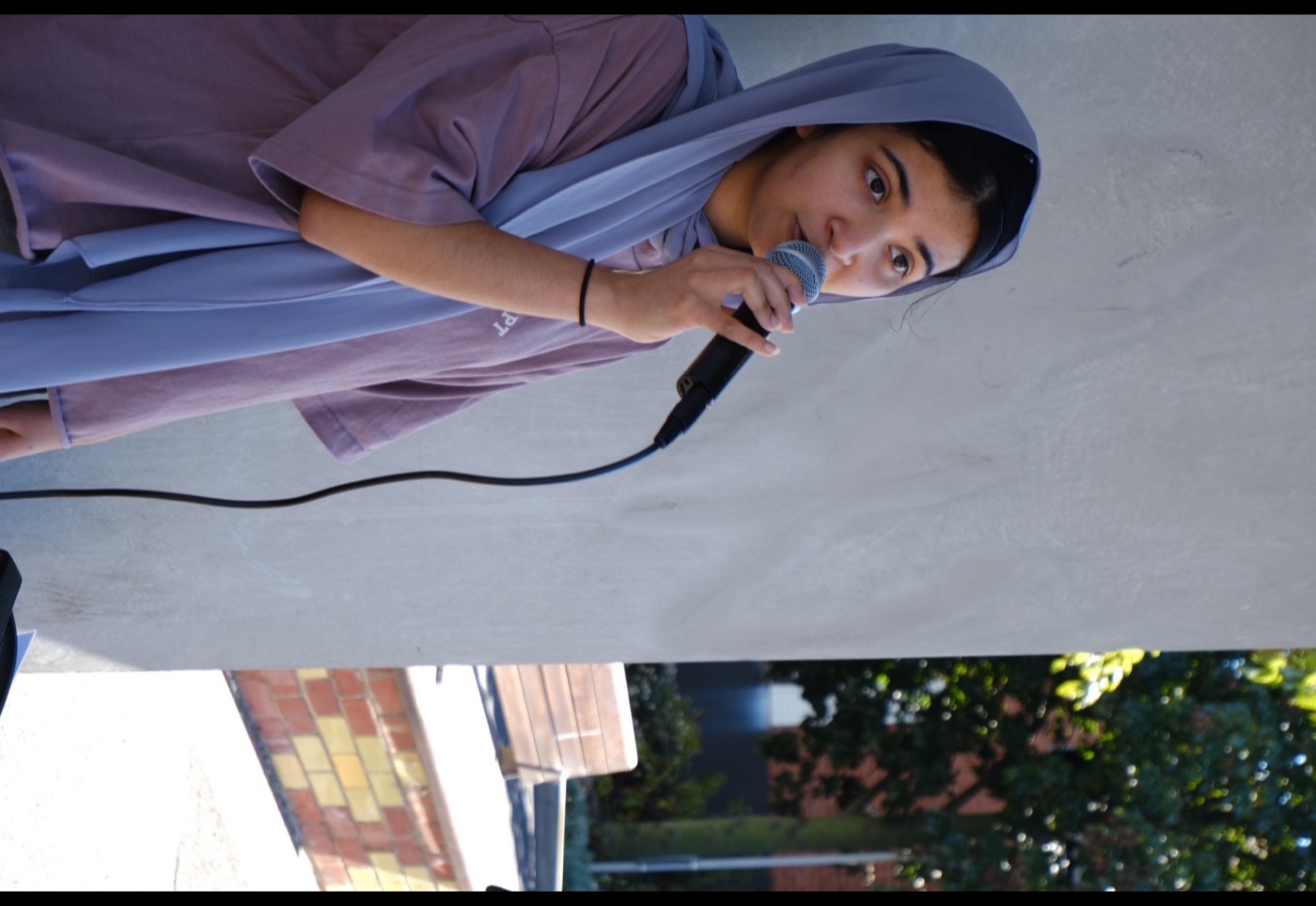
Omari singing at a microphone stand on a city footpath, beside a tree.
Omari singing into a microphone against a rendered wall, outdoors in daylight.

Playing the record live, September 2026.